1685: The Year Bach and Handel Were Born — The Employed Musician and the Musician Who Sold Tickets
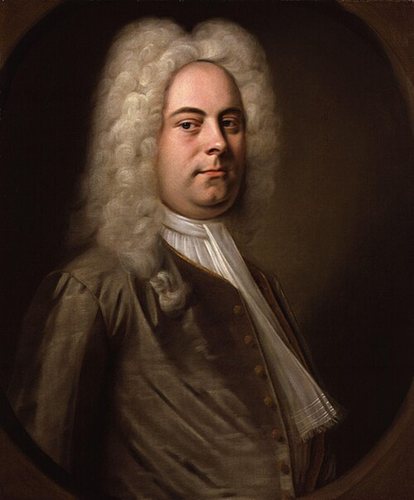
Handel's "Hallelujah Chorus" is often thought of as a piece written for the church. Yet Messiah, which contains this chorus, was not written for worship but for people who paid admission to hear it. It was first performed in 1742 at a charity concert in a music hall in Dublin, Ireland.
Why was music setting the words of the Bible born outside the church? The clue lies in "who was paying the musicians." Let us compare Handel and Bach, born a month apart in central Germany in 1685.
How the Two Made a Living
| Bach | Handel | |
|---|---|---|
| Born | March 1685, Eisenach | February 1685, Halle |
| Main workplace | Churches and school in Leipzig | Theaters in London |
| Source of income | Salary from the town and fees for weddings and funerals | Admission to operas and concerts, plus a royal pension |
| Fame in his lifetime | Mainly in Germany, as a master organist | Renowned across Europe |
Fewer Funerals, Less Money: Bach, the Employed Musician
From 1723, Bach served as Cantor (director of music) of St. Thomas Church in Leipzig. His job was to write cantatas almost every week for the services of the town's churches and to teach the boys at the attached school. The post was chosen by the town council. It is said that the post went to Bach only after the candidates the council preferred had declined or could not come.
In a letter to a friend in 1730, Bach complained about his income. Fees for weddings and funerals made up part of his earnings on top of his salary, and he grumbled that "when a healthy wind blows, there are fewer funerals, and my income drops." Church musicians made their living within the life of the town and the system of worship.
Bach, however, did not work only for the church. From 1729 he led the Collegium Musicum, an ensemble of students and town musicians, and gave concerts at Zimmermann's coffeehouse. The Coffee Cantata, which depicts a quarrel between a father and a daughter who cannot give up coffee, is believed to have been performed at this coffeehouse.
Handel, the Musician Who Sold Tickets
Handel studied opera in Italy as a young man and won success in London in 1711 with Rinaldo. "Lascia ch'io pianga" is an aria from this opera. In 1719, aristocrats invested in the Royal Academy of Music, a company to stage Italian opera, and Handel was put in charge of its music. Star singers commanded high fees, and opera was a business paid for by investors and ticket sales.
In 1728, The Beggar's Opera, in English and using popular tunes, became a huge hit. That same year the Royal Academy of Music ran into trouble. Handel kept staging operas on his own afterward, but the business remained a struggle.
Bible Stories Sung in the Theater
So Handel turned his energy to the English oratorio. An oratorio sings a story, often from the Bible, without sets or costumes. Being in English, it reached audiences who did not understand Italian, and it could be performed without hiring expensive Italian singers. It could also be performed in theaters during Lent (the period before Easter), when opera performances were held back.
For the Dublin premiere of Messiah, it is said that, to fit more people into the hall, ladies were asked to come without the hoops that spread their skirts and gentlemen without their swords. In London it was performed in a theater, and voices were raised against singing the words of the Bible on the stage.
He also continued his work for the royal court. Music for the Royal Fireworks of 1749 was written for the king's celebration of a peace treaty ending a war. Even so, more than 10,000 people are said to have paid admission to attend the public rehearsal.
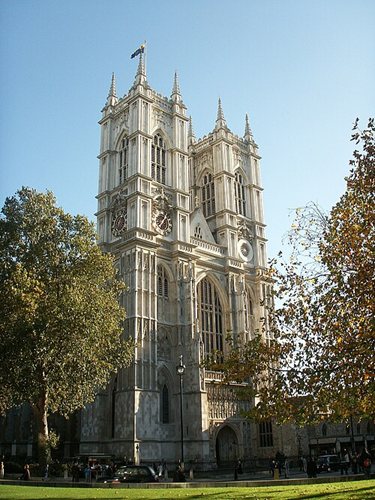
Handel died in 1759 and was buried in Westminster Abbey. A foreign-born musician rests in the same place as kings and poets.
A Passion in the Church, an Oratorio in the Theater
Bach, too, wrote a large work that tells a Bible story through solo voices and chorus: the St Matthew Passion, which depicts the suffering and death of Jesus. It is believed to have been first performed at St. Thomas Church on Good Friday in 1727. Both works sing a story from the Bible on a grand scale, yet they differed from Messiah in where they were heard and in where the money came from.
| Bach, St Matthew Passion | Handel, Messiah | |
|---|---|---|
| Premiere | 1727, St. Thomas Church, Leipzig | 1742, a music hall in Dublin |
| Occasion | Within the Good Friday service, with a sermon between Parts One and Two | A concert in Lent, when opera was held back |
| Audience | Townspeople attending the service, with no admission charge | Ticket-buying listeners |
| Language | German, with chorale (hymn) melodies the congregation knew well | English, reaching listeners who did not understand Italian |
| Who paid | Part of the Cantor's duties, paid for by the town and church in his salary | Admission; the proceeds of the premiere went to charity |
Bach's Passion was part of worship, and its listeners came to church as members of the congregation. Handel's oratorio was an event that listeners chose to attend by buying a ticket.
After the Employers Were Gone
In his lifetime, Bach was little known outside Germany. His works came to be widely heard only after Mendelssohn revived the St Matthew Passion in 1829. And the venue was not a church, but the concert hall of a Berlin choral society. Music written for the Good Friday service was now sung before ticket-buying listeners, just like Handel's oratorios.
Even after churches stopped employing musicians, music on religious themes continued to be written. Theater music, too, moved from royal banquets to audiences who bought tickets. Where did sacred music go, and who supported opera?
Generative AI is used to help create the articles and data. The content may contain errors.